Is Barcelona a good retirement base?
Barcelona is a high-quality European retirement city rather than a pure cost-arbitrage destination. It offers walkable neighborhoods, beaches, public transportation, strong private healthcare, restaurants, culture, and quick access to the rest of Europe. The tradeoff is that housing is more expensive than many Spanish alternatives, long-stay visas require planning, and Spain can become tax-complex for high-net-worth U.S. retirees.

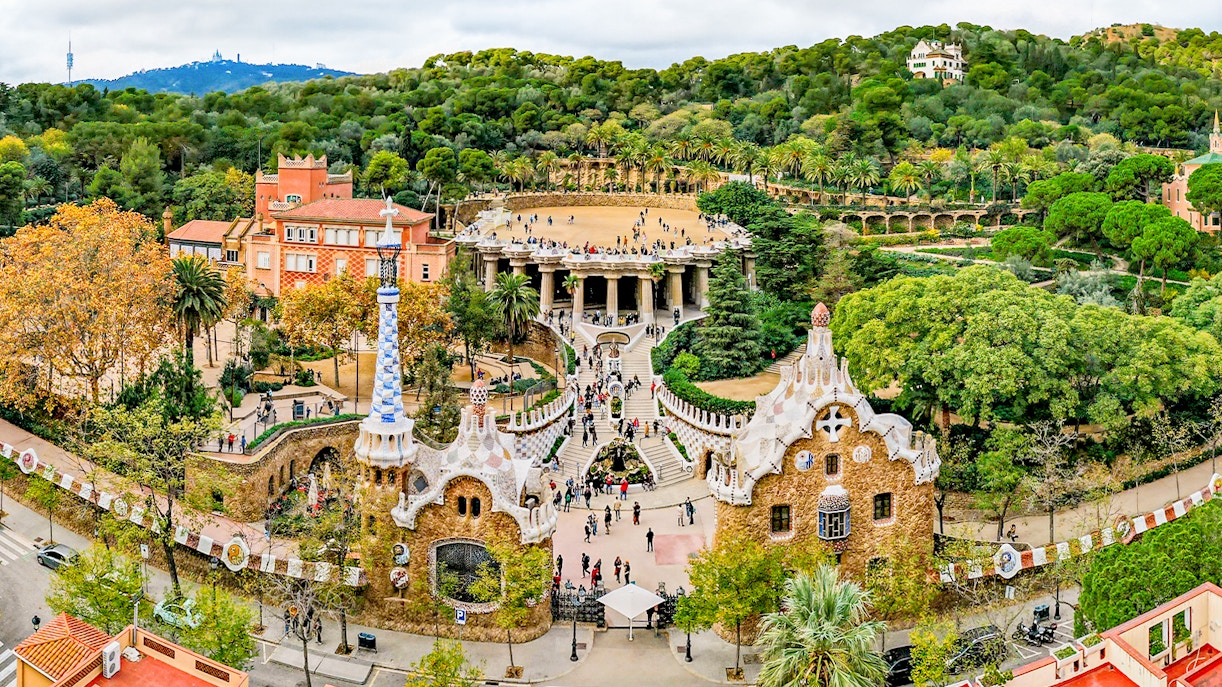
Retirees who want culture, urban walking, Mediterranean climate, and European travel access.
High-net-worth U.S. retirees need careful Spanish tax, wealth-tax, and reporting planning.
Good for retirees optimizing quality of life more than the lowest possible monthly spend.
What does it cost to retire comfortably in Barcelona?
For a single retiree or couple who wants a well-located apartment, private insurance, restaurants, transit, cultural activities, and occasional Europe travel, a realistic Barcelona planning range is roughly $3,500–$5,500/month. A premium lifestyle with central luxury housing, private clubs, imported goods, and frequent travel can move well above that.
| Category | Lean-comfortable | Comfortable | Premium |
|---|---|---|---|
| Housing + building costs | $1,300–$1,900 | $1,800–$2,800 | $3,500+ |
| Utilities, internet, mobile | $180–$300 | $250–$450 | $600+ |
| Food and dining | $650–$950 | $900–$1,500 | $2,200+ |
| Transport | $100–$250 | $200–$450 | $800+ |
| Healthcare/insurance reserve | $250–$700 | $500–$1,100 | $1,800+ |
| Travel, leisure, buffer | $600–$1,000 | $1,000–$1,800 | $3,000+ |
| Total planning range | $3,080–$5,100 | $4,650–$8,100 | $11,900+ |
Barcelona affordability at a glance
These graphics are planning illustrations for visitors who want a fast visual answer. Personal cost can vary sharply by neighborhood, lease timing, insurance, travel style, restaurants, and whether you maintain a U.S. home base.
Barcelona vs. New York City cost pressure
Barcelona is set as the baseline. The red bars show how much higher New York City is in the Numbeo comparison snapshot.
Retirement monthly budget ladder
A simple visual ladder for deciding whether Barcelona is a balanced lifestyle base or premium Europe base.
Navigate back to the global comparison page
This Barcelona page is meant to work as one city-detail page inside your broader overseas retirement comparison hub.
Healthcare is one of Barcelona’s strongest retiree advantages
Barcelona offers strong public and private healthcare infrastructure, international hospitals, English-speaking private medical access, and short travel times within the city. For non-EU retirees, the visa and lifestyle plan usually depends on private health insurance that meets Spanish requirements.
Strong for primary care, dental, vision, imaging, specialists, and preventive care.
Strong hospital network, though private/public access depends on status and insurance.
Better than many overseas options, but requires language, paperwork, and family/advocate planning.
Healthcare checklist before choosing Barcelona
| Private insurance | Confirm visa-compliant coverage, renewability at older ages, exclusions, outpatient/inpatient coverage, and repatriation or evacuation options. |
| Provider list | Shortlist hospitals/clinics near your target neighborhood and test an annual physical during your trial stay. |
| Medication continuity | Confirm availability and local equivalents for chronic medications and specialty drugs. |
| Medicare reality | Traditional Medicare generally does not cover routine overseas care, so plan separately for Spain and any return-to-U.S. treatment. |
Visa options retirees usually evaluate
For non-EU retirees, the main route is often Spain’s non-working / non-lucrative residence visa. The official Spanish consulate pages emphasize that procedures can change and that the current rules in force at the time of application govern the decision. Barcelona is a strong destination only if the legal stay path, insurance, housing, and tax plan all work together.
| Path | Typical retiree fit | Planning concern |
|---|---|---|
| Non-lucrative / non-working residence visa | Common route for retirees or financially independent people who do not work in Spain. | Financial proof, private health insurance, apostilles/translations, consulate differences, renewal timelines. |
| Digital nomad visa | Relevant for semi-retirees still earning active remote income. | Different tax and employment logic; not the same as a passive retirement visa. |
| Schengen test stay | Good for a 30–90 day scouting trip before committing. | Short-stay rules are not a retirement plan; track Schengen days carefully. |
Barcelona in a Roth conversion roadmap
For U.S. citizens, moving to Spain does not eliminate U.S. federal taxation. The possible upside is lifestyle quality and perhaps leaving a high-tax U.S. state. The main complexity is Spanish tax residency, worldwide income, wealth reporting, and how Spain treats U.S. retirement accounts and Roth transactions.
| Issue | Why it matters | Barcelona planning answer |
|---|---|---|
| U.S. federal tax | Roth conversions remain U.S.-taxable events for U.S. citizens. | Model brackets, IRMAA, NIIT, ACA if still applicable, capital gains, and RMDs. |
| State tax exit | Leaving a high-tax state may improve after-tax conversion capacity. | Need formal domicile planning before departure. |
| Spanish tax residency | 183+ days may create Spanish taxation on worldwide income. | Track days, income character, account flows, and treaty positions. |
| Roth treatment abroad | Spain may not treat Roth income the same way the U.S. does. | Do not assume tax-free treatment; use a Spain/U.S. cross-border tax advisor. |
| Wealth and asset reporting | High-net-worth retirees may face reporting and wealth-tax exposure. | Model Spain residency separately from short-stay or split-year scenarios. |
Good lifestyle, but Spain taxation can reduce the simplicity of aggressive conversion years.
More complex than low-tax U.S. states or some territorial-tax countries.
Compare under-183-day stays vs. full Spanish tax residency.
Retiree-friendly Barcelona neighborhoods
Barcelona is highly neighborhood-sensitive. Retirees should optimize for walkability, elevator buildings, noise, metro access, grocery routines, medical access, and tourist-season stress.
Eixample
Best for: central grid, services, restaurants, architecture, and transit.
Watch: traffic, noise, and premium rents.
Sarrià-Sant Gervasi
Best for: upscale, calmer living and private medical access.
Watch: higher costs and hillside mobility.
Gràcia
Best for: village feel, plazas, local life, cafes.
Watch: older buildings, stairs, and tourist spillover.
Poblenou
Best for: beach proximity, newer apartments, tech/expat vibe.
Watch: uneven transit depending on block.
Les Corts
Best for: practical residential living with good transit and services.
Watch: less iconic feel than central neighborhoods.
El Born / Gothic Quarter
Best for: culture, history, walkability.
Watch: noise, crowds, older buildings, and stairs.


Daily-life risks to plan around
The U.S. State Department’s Spain page is the starting point for U.S. travelers and residents. Barcelona retirees should think less about severe instability and more about petty theft, tourist-zone scams, summer heat, housing friction, and administrative paperwork.
| Risk | Retiree impact | Mitigation |
|---|---|---|
| Petty theft | Pickpocketing can be common in tourist areas, transit, and crowded streets. | Use anti-theft habits, avoid visible valuables, and choose calmer neighborhoods for daily life. |
| Housing pressure | Good long-term rentals can be expensive and competitive. | Test multiple neighborhoods, use reputable agents, and inspect elevator/noise/AC carefully. |
| Summer heat | Heat can affect walking, sleep, and energy. | Budget for AC, choose shaded routes, and avoid top-floor apartments without cooling. |
| Language/admin | Spanish and Catalan bureaucracy can be slow for new residents. | Use a gestor/immigration lawyer, keep copies, and build a document checklist. |
Barcelona by retirement phase
| Age phase | Barcelona strengths | Concerns |
|---|---|---|
| 51–60 | Travel, culture, walkability, healthier routines, Europe access. | May be less cost-efficient than Asia or Latin America. |
| 60–70 | Strong private care, social life, daily walking, transit. | Visa renewals, taxes, language, and housing stability. |
| 70–80 | Healthcare depth and walkable neighborhoods can support independence. | Elevators, noise, heat, and need for a local advocate. |
| 80+ | Possible with strong support and private-care planning. | Family distance, caregiving, paperwork, and potential return-to-U.S. plan. |
Barcelona retirement test-stay checklist
| Before booking | Run under-183-day and full-residency tax scenarios; confirm insurance; list medications; choose target neighborhoods. |
| First 30 days | Stay in Eixample or Gràcia; test grocery routines, transit, walking routes, healthcare access, noise, and tourist-season friction. |
| Days 31–60 | Try Sarrià-Sant Gervasi, Les Corts, or Poblenou; compare cost, stairs/elevators, restaurants, and neighborhood rhythm. |
| Days 61–90 | Meet immigration, insurance, and cross-border tax advisors; estimate true monthly spend and decide whether Spain residency fits. |