Is Tokyo a good retirement base?
Tokyo is a premium-quality retirement city rather than a lowest-cost retirement arbitrage city. It offers exceptional public transportation, low violent-crime perception, food depth, cleanliness, convenience, and world-class urban infrastructure. The retirement trade-off is that long-term residency is harder than in classic retirement-visa countries, English support can be uneven outside international districts, and taxes/residency rules require careful planning.

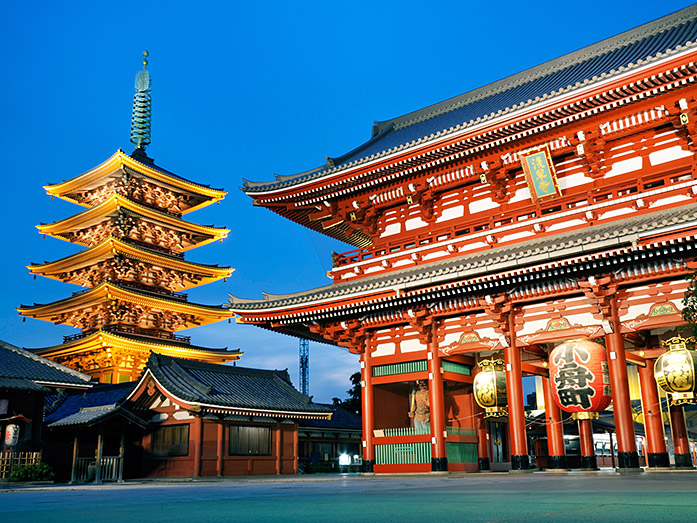
Retirees who want reliable trains, clean neighborhoods, deep services, and excellent urban order.
Japan is not built around a broad retirement visa. Many retirees need a spouse, work/business, family, or limited long-stay path.
Better for lifestyle, healthcare, and family/business Asia access than pure cost minimization.
What does it cost to retire comfortably in Tokyo?
Tokyo can be cheaper than New York City while still being a high-income global city. For a retiree or couple seeking a comfortable, central-but-not-ultra-luxury lifestyle, a realistic planning range is roughly $4,000–$7,000/month. Premium living in Minato, Shibuya, or central international districts can move well beyond that.
| Category | Lean-comfortable | Comfortable | Premium |
|---|---|---|---|
| Housing + building fees | $1,200–$2,000 | $2,000–$3,500 | $5,000+ |
| Utilities, internet, mobile | $180–$300 | $250–$450 | $650+ |
| Food and dining | $650–$1,000 | $900–$1,600 | $2,500+ |
| Transport | $150–$350 | $250–$500 | $900+ |
| Healthcare/insurance reserve | $300–$800 | $600–$1,300 | $2,000+ |
| Travel, leisure, buffer | $600–$1,100 | $1,000–$1,800 | $3,000+ |
| Total planning range | $3,080–$5,550 | $5,000–$9,150 | $14,050+ |
Tokyo affordability at a glance
These graphics are planning illustrations, not exact quotes. City cost databases use different methodologies and real spending varies by neighborhood, apartment size, insurance status, travel frequency, imported goods, and exchange rates.
Tokyo vs. New York City cost pressure
Tokyo is the baseline. Red bars show how much higher New York City is in the Numbeo comparison snapshot.
Retirement monthly budget ladder
Use this ladder to decide whether Tokyo is a cost-control, balanced lifestyle, or premium infrastructure base for your roadmap.
Navigate back to the global comparison page
This Tokyo page is meant to work as one city-detail page inside your broader overseas retirement comparison hub.
Healthcare is a major Tokyo strength, but language and insurance matter
Tokyo has extensive medical infrastructure, strong hospitals, specialty clinics, diagnostics, and excellent transit access to care. For foreigners, the planning questions are practical: English-speaking physicians, appointment logistics, insurance eligibility, whether a clinic accepts your status, and whether your late-life care plan has a local advocate.
Strong clinics, dental, checkups, diagnostics, pharmacies, and preventive care.
Very strong institutional depth, but language and referral workflows can be challenging.
Better than many cities due to infrastructure, but long-term residency and family support remain critical.
Healthcare checklist before choosing Tokyo
| Insurance status | Determine whether you will use Japanese public health insurance, private international coverage, travel medical coverage, or a hybrid approach based on your visa/residence status. |
| English-speaking access | Shortlist hospitals and clinics with international departments and confirm they can treat your conditions. |
| Medication continuity | Confirm availability and local equivalents for blood pressure, diabetes, cardiac, thyroid, mental-health, and specialty drugs. |
| Emergency support | Keep emergency contacts in Japanese and English; know which hospital you prefer before a crisis occurs. |
Visa options retirees usually evaluate
Japan is not a classic retirement-visa country. The closest limited route for some financially secure retirees is the Designated Activities visa for long stay for sightseeing and recreation, which the Ministry of Foreign Affairs describes as a six-month stay. For true long-term retirement, people often need another qualifying path such as spouse/family status, work, business manager, highly skilled professional, or permanent residency after legally residing in Japan.
| Path | Typical retiree fit | Planning concern |
|---|---|---|
| Designated Activities long-stay sightseeing | Potential test-stay or semi-retirement path for eligible people from visa-waiver countries with sufficient savings. | Limited duration; not the same as a permanent retirement residence program. |
| Spouse/family status | Can support true residence when family facts qualify. | Requires real qualifying relationship and ongoing documentation. |
| Business/work/HSP route | Relevant for 51–65 retirees who still consult, invest, run a business, or work. | Not passive retirement; requires active qualifying activity and professional advice. |
| Tourist/test stay | Useful for scouting neighborhoods, healthcare, climate, and budget. | Not a multi-year retirement plan. |
Tokyo in a Roth conversion roadmap
For U.S. citizens, moving to Japan does not eliminate U.S. federal tax. The Tokyo advantage is more about quality-of-life and possibly lower spending than New York or San Francisco. The complexity is Japanese tax residency, remittances, foreign-source income, and whether Japan recognizes the same Roth tax treatment that the U.S. does.
| Issue | Why it matters | Tokyo planning answer |
|---|---|---|
| U.S. federal tax | Roth conversions remain U.S.-taxable events for U.S. citizens. | Model brackets, IRMAA, ACA if relevant, NIIT, Medicare timing, and RMD avoidance. |
| State tax exit | Leaving a high-tax U.S. state can improve conversion economics. | Need formal domicile planning: home, license, voting, banking, mailing, records, and intent. |
| Japan tax residency | Residence status can change the scope of Japanese taxation. | Track days, visa status, remittances, and source of funds carefully. |
| Roth treatment abroad | Japan may not treat Roth accounts exactly as the U.S. does. | Do not assume tax-free local treatment without a professional treaty/account review. |
| Currency and cash flow | Yen/USD movement changes real spending and remittance needs. | Keep a multi-currency cash plan and document transfers. |
High quality of life, but less spending leverage and more tax/visa complexity than lower-cost countries.
Japan requires careful cross-border income and remittance planning.
Compare 90-day, 180-day, and resident-in-Japan cases.
Retiree-friendly Tokyo neighborhoods
Tokyo is highly neighborhood-dependent. Retirees should optimize for station access, elevator buildings, hospitals/clinics, supermarkets, quiet streets, parks, and whether daily errands can be handled without long stair climbs or complicated transfers.
Minato / Azabu / Roppongi
Best for: international services, embassies, English support, dining.
Watch: very high rents and expat pricing.
Shibuya / Ebisu / Daikanyama
Best for: food, lifestyle, transit, urban energy.
Watch: crowds, cost, and compact housing.
Meguro / Setagaya
Best for: calmer residential feel with access to central Tokyo.
Watch: some areas are hillier or less station-adjacent.
Bunkyo
Best for: quieter, educated, family-oriented atmosphere and hospital access.
Watch: less nightlife and fewer expat bubbles.
Kichijoji / Mitaka
Best for: parks, livability, lower density, good rail links.
Watch: longer commute to some international hospitals.
Asakusa / Ueno
Best for: traditional atmosphere, transit, value pockets.
Watch: tourist crowds and older building stock.


Daily-life risks to plan around
The U.S. State Department currently lists Japan at Level 1, “Exercise Normal Precautions.” Tokyo is one of the world’s most orderly megacities, but retirees still need to plan around earthquakes, typhoons, heat, language barriers, and administrative complexity.
| Risk | Retiree impact | Mitigation |
|---|---|---|
| Earthquakes | Emergency preparedness matters for housing, supplies, documents, and medical continuity. | Choose modern buildings, keep go-bags, register emergency contacts, and learn local procedures. |
| Summer heat and humidity | Outdoor routines can be difficult in July–September. | Budget AC, plan morning/evening walks, and choose shaded/transit-accessible neighborhoods. |
| Language/admin | Healthcare, banking, housing, and city hall paperwork may require Japanese. | Use bilingual support, translation apps, and retain a local advocate. |
| Compact housing | Smaller apartments can be a lifestyle adjustment for U.S. retirees. | Rent before buying; test storage, kitchen size, elevator access, and bathroom layout. |
Tokyo by retirement phase
| Age phase | Tokyo strengths | Concerns |
|---|---|---|
| 51–60 | Excellent transit, food, travel, work/consulting ecosystem, lifestyle quality. | Legal stay path and Japan tax residency planning. |
| 60–70 | Medical access, safety, routines, parks, reliable services. | Language and insurance/visa continuity. |
| 70–80 | Transit and neighborhood services can support independence. | Need elevator housing, local advocate, and emergency plan. |
| 80+ | Possible with strong local support, Japanese-language help, and funds. | Not ideal without family/advocate, residency certainty, and late-life care plan. |
Tokyo retirement test-stay checklist
| Before booking | Run 90/180/resident tax scenarios; confirm visa path; shortlist English-support clinics; check prescriptions. |
| First 30 days | Stay near a major station in Minato, Shibuya/Ebisu, Bunkyo, or Meguro; test daily transit, groceries, stairs, and medical access. |
| Days 31–60 | Try a quieter neighborhood; test summer/winter routines, hospital visits, pharmacy, banking, mail, and language friction. |
| Before committing | Consult Japan/U.S. tax advisor, immigration specialist, insurance broker, and estate planning attorney familiar with cross-border issues. |